






As part of the Athens Energy Summit 2026, the Chairman & CEO of the ONEX Shipyards & Technologies Group, Mr. Panos Xenokostas, participated in the panel discussion “The construction issue: Large-scale energy infrastructure, financing and project delivery,” where he highlighted the critical role of the shipbuilding industry in the energy transition and security strategy of Greece and Europe.
Mr. Xenokostas emphasized that shipyards are, in practice, a key link in global energy chains, as they are the place where ships and vessels used to transport energy and other critical goods are built, repair, and upgrade the ships and vessels used to transport energy and other critical goods, as well as where energy can be generated.
“Without shipyards, there is no meaningful support for the energy economy”
Referring to the link between the shipbuilding industry and energy infrastructure, Mr. Xenokostas emphasized that in the modern era, shipyards are not merely repair facilities, but are evolving into industrial and technological hubs critical to the energy transition.
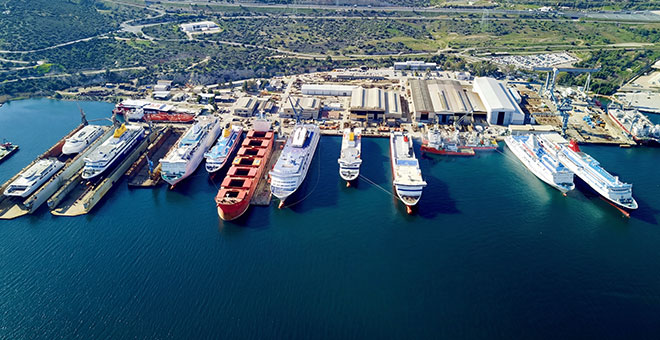
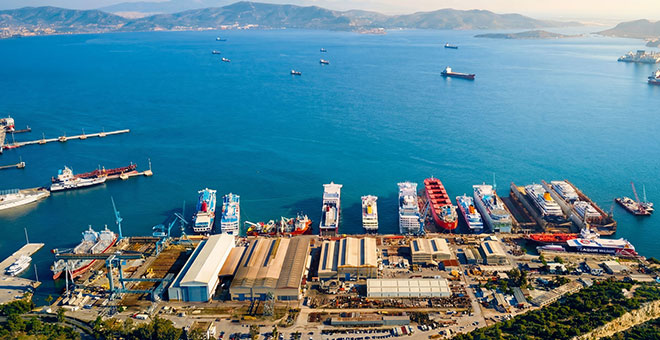
In the context of the transformation of ONEX Shipyards at the Elefsina and Syros facilities, he noted that their geographical location is associated with high geopolitical value and energy corridors that strengthen the country’s alternative options for security of supply.
At the same time, he emphasized that large-scale modern energy solutions—with an emphasis on offshore infrastructure—now necessarily pass through the shipbuilding sector: floating power generation platforms, LNG-to-Power units, offshore energy projects, and emerging technologies such as SMRs, FMPs, and new forms of nuclear technology.
As he noted, “the magic word is no longer just energy transition; it is also energy upgrading,” noting that in the next phase of the economy and geopolitics, energy demand will increase, and anyone who fails to adapt “will be left behind forever.”
“International competition won’t wait”
Responding to questions about the difficulties of implementing major energy infrastructure projects in Greece, Mr. Xenokostas highlighted the scale of the required investments, noting that following the period when shipyards were primarily owned by states or banks, today the effort relies on private investments of a very large scale that are constantly being updated.


